

Home repairs · Chico, California
Why a Door Sticks, Sags or Will Not Latch
A practical guide to rubbing doors, loose hinges and misaligned latches. Learn what should be checked before trimming a door or replacing hardware.
By Diamond Handyman Service
Published
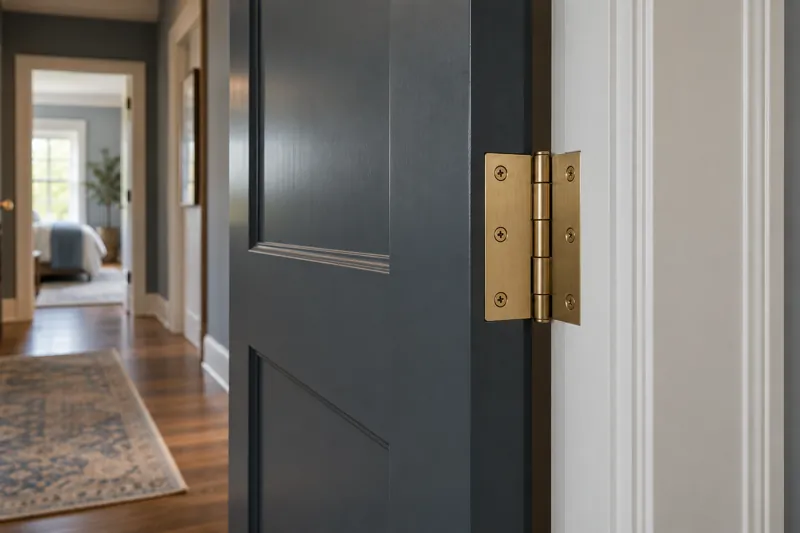
A door that needs a shove to close is telling you something about its fit. It may have loose hardware, a worn hinge, a latch that misses its strike or a change in the door and frame. The best repair starts with the point of contact, not immediately cutting wood off the edge.
Notice where the door catches
A rub near the top corner, a scrape along the floor and a latch that hits above its opening are different symptoms. Look at the gaps around the closed door and whether lifting the handle changes how it shuts. These observations help describe the problem, but you do not need to troubleshoot it before contacting us.
An added rug, new flooring or thick paint buildup can change the clearance. On an exterior door, damaged seals or a poorly adjusted threshold may also interfere. The goal is smooth operation and a reliable latch, not simply a larger gap.
Check the hinges before changing the door
Loose fasteners or worn attachment points can let a door sag. A repair needs to address the condition of the supporting material; repeatedly turning a screw in a stripped hole does not restore its hold. Hinge wear, hinge position and frame condition should be considered together.
Trimming may be appropriate in some situations, but it is irreversible and can be the wrong response to loose hardware. A fire-rated assembly or specialized door requires particular care. Follow the product requirements rather than assuming every slab can be modified the same way.
A latch problem is not always a lock problem
If the latch misses the strike, replacing the knob alone may leave the same misalignment. If it lines up but does not retract normally, the mechanism itself may need attention. A deadbolt should engage without forcing the door into place. See our doorknob and deadbolt repair service for everyday hardware work.
Manufacturer instructions matter for the exact lockset. Schlage’s support resources provide product-specific information rather than one adjustment for every model.
## Seasonal rubbing or a problem that never goes away?
A door that starts rubbing during one part of the year and improves later needs a different assessment from one that has never fit properly. Wood and finishes can respond to moisture, but that observation alone does not identify the cause. Loose hardware, a shifting jamb or damaged material may produce a similar symptom.
Removing wood immediately can leave an oversized gap when conditions change. Before trimming, compare the clearances around the opening and check how the hinges support the door. If several openings have changed suddenly or there are other signs of movement, the next step may be a broader assessment rather than individual adjustments.
Closing, latching and sealing should work together
A door can swing freely but still require a hard shove to latch. The strike position, latch engagement and pressure from weatherstripping all affect the last part of its travel. For an exterior door, a sweep dragging across the threshold can feel like a hinge problem even when the side clearances are adequate.
A useful repair leaves the door easy to operate without sacrificing normal latch engagement. Check it from both sides and through its full swing, including the clearance above flooring or a rug. On a bathroom or bedroom door, confirm the privacy hardware works as intended as well. If the lock turns only while someone lifts the handle, the fit still needs attention. Related weatherstripping repairs should complement the door adjustment rather than make the closing problem return.
When replacement or another assessment makes sense
A badly damaged door, deteriorated jamb or broader opening problem may go beyond a hardware adjustment. Sudden changes affecting several doors, new wall cracks or ongoing water damage should be assessed for their cause. Seasonal changes can affect materials, but they should not become an automatic explanation for every sticking door in Chico.
For replacement work, see door installation. For a sound door with everyday fit problems, a targeted adjustment may be all that is needed. Tell us what the door does when you use it, and we can discuss the next step without asking you to identify a part number first.
Tell us about your project.
Call or text (530) 250-5382. You can text project photos to that number or email info@chicohandymanservice.com. Free estimates within Chico city limits.
Contact Diamond